

Wedding photography pricing in Colorado ranges from $1,500 to $15,000 and beyond. There are also a lot of buzz words flying around — editorial, luxury, bespoke, etc. Let’s walk through all of it.
How much of your wedding budget to earmark for wedding photography is an important question to consider, but price point about any given photographer rarely tells the whole story. There are nuts-and-bolts deliverables that are part of what make up various price points, and there are also less quantifiable factors that result in a certain photographer’s collection price. I have been working in weddings since 2016, and have worked with photographers whose prices run the gamut — from hiring second photographers who charge the bare minimum when working under their own brand, to running my own business, to shooting alongside photographers whose clients’ budgets are at the very top end of the destination wedding market.
The Basic Stats
The average cost of a wedding in Colorado in 2025 was $39,808, with costs in Denver landing around $35,000 and costs in Vail/Aspen hovering on the higher end. (Also, it’s important to note here that most of the more well known mountain weddings you see on social media have budgets very often landing at $75,000-$150,000 all the way up to half a million dollars. But that is not all weddings!)
OK, let’s get to photography.
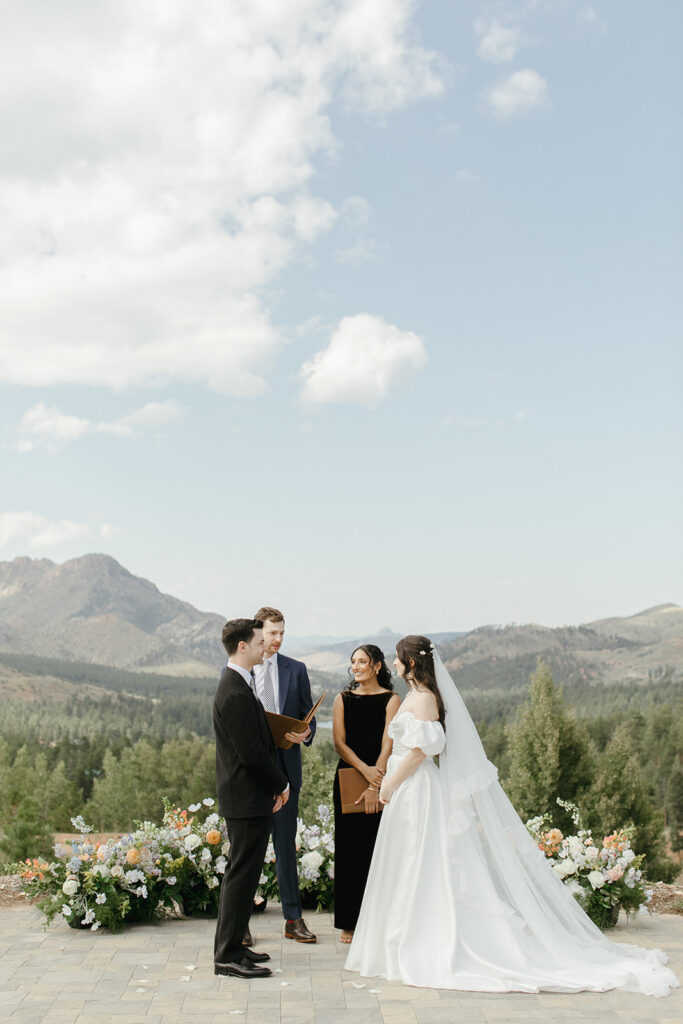
Tier 1: Under $3,000
This is the very least you could expect to spend on a wedding photographer.
Who’s typically here: entry-level photographers who recently got access to a camera, part-time shooters, those still building a portfolio
What you usually get: 6–8 hours, basic editing, digital gallery
What you might not get: a second shooter, a honed and refined direction style, experience coordinating with vendors, film options
Pros: Good financial value, and likely someone who is very excited to be shooting your wedding so the possibility of exceptional service and attention
What to watch out for: a pretty Instagram or website, but a lack of high quality publicly posted reviews or full galleries
Where you can find them: Facebook groups (look specifically in “Second Photographer”-focused groups or general wedding vendor groups), Instagram
Cons: Risk. A newer photographer who is cutting their teeth may well have a great eye and a professional camera, but they may not have liability insurance (which is essential to protecting you from any damage they or their equipment may cause on your wedding day). They may not know how to manipulate artificial light, which is absolutely necessary in Colorado if your wedding gets moved indoors due to weather, or during nearly any wedding reception indoors. They may not have an established backup workflow, potentially resulting in damaged or missing images. They may have an inconsistent editing style and what they deliver a year from now may be vastly different from the style you are attracted to when you book them. There are myriad other things that may be missing from this photographer’s offerings, but I will explain what those are and where you will find them in future tiers.
Who these photographers are right for: Folks on a very, very limited budget who are OK with taking on a certain level of risk (see above)
Something else to consider is that if you find a photographer that is charging, say $1,500 and they are marketing to you, driving two hours to and from your wedding, working 8 hours and then editing your gallery and delivering via a gallery service, even the most basic Cost of Doing Business math (travel, website fees, editing software fees, equipment costs, labor, etc.) will yield that they are not even breaking even, let alone making a profit. So if fair wages and a sustainable business model matter to you, you will likely not find that in this tier.
Tier 2: $3,000 to $6,000
These are standard, moderately priced professionals.
Who’s here: established photographers with 2–5 years of consistent wedding experience, some have full-time jobs that aren’t photography
What you usually get: 8 hours, digital gallery, possibly a gifted engagement session
Pros: stronger portfolio, more consistent editing, better communication and planning process
Cons: may not be able to offer film coverage at this price point, may have a limited experience working at mountain wedding venues, may not have a second photographer or experience leading a team, may be booking 20-40 weddings a year to meet their salary goals
Where you can find them: Through your venue, social media, wedding blogs, through organic searches on Google or AI platforms. They might market themselves with language that alludes to being open to all budgets, or have more transparent pricing and cookie-cutter packages right on their website. May appear in: WeddingWire, The Knot, Zola, local business listings and publications.
What to check for: always look for consistently positive reviews and full galleries, ask if they offer film and what is included in their collections, you may want to check if they are double booking your wedding weekend (if they are lead shooting a wedding in Telluride the night before your wedding in Colorado Springs, they will be starting your wedding day running on empty).
Who these photographers are right for: A lot of couples! If you are planning a wedding around the average wedding budget ($38,000 in 2025 in the Denver area), then with a 7-13% budget for your photographer, this is where you’ll likely land — give or take depending on where photography falls on your priority list.
This is where I lived as a photographer for a long time! There are a lot of wonderful pros out there at this price point, and if you are looking in this range, feel free to reach out and I will send you some names.
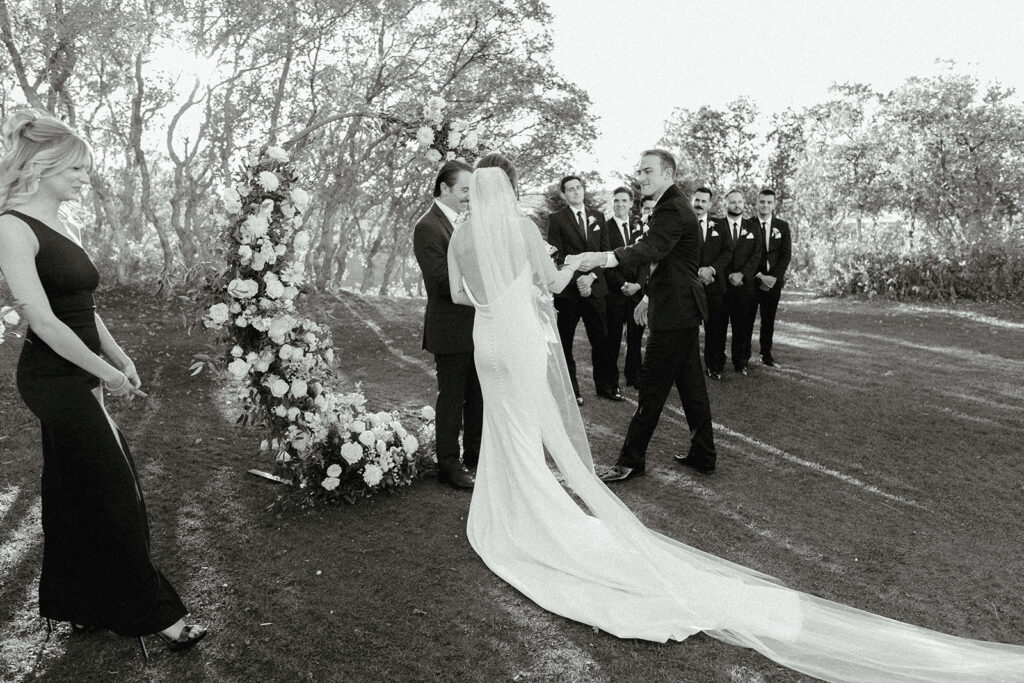

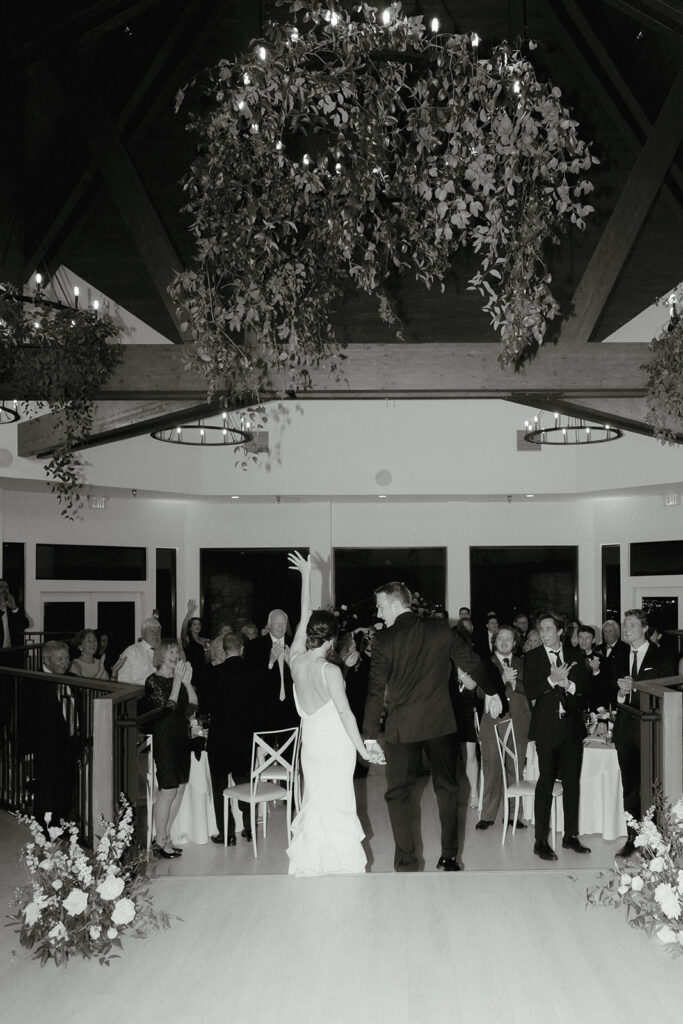
Tier 3: $6,000-$11,000
This is where the experience shifts meaningfully — these are pro photographers who have made a name for themselves in their local market by offering consistently excellent service and outstanding imagery.
Who’s here: photographers with 5-10+ years experience who have led photography on dozens or more weddings, most of whom do this full-time
What you usually get: 8+ hours, second photographer, possibly welcome event coverage and/or an engagement session, hybrid digital and film coverage or full film coverage
Pros: Beyond the impressive body of work that has pulled you in, there is the peace of mind factor — they’ve seen it all, worked with all kinds of people in all kinds of weather with all kinds of equipment and there is nothing they aren’t prepared to handle on your wedding day. They are emotionally aware, professionally reliable, and are ambitious enough to push the boundaries of wedding art. Most are able to limit the number of weddings they take on a year, so that your day is their #1 priority that weekend. The difference between Tier 2 and Tier 3 is less quantifiable, and more about overall composure and creativity. At this price point, the photographer isn’t just a documentarian — they’re arranging light, people and objects, managing energy, anticipating moments — all in the name of curating artistic stills from within the reality of a wedding day.
Cons: Higher price point, deliverables sometimes appear to be much the same as Tier 2
Where you can find them: Through your venue, planner, social media, wedding blogs, through organic searches on Google or AI platforms. They often identify themselves as “premium,” “luxury” or “editorial,” but sometimes do not use those descriptors. May appear in: The Wed, The Anti-Bride, Together Journal, Carats & Cake, 100 Layer Cake, Rocky Mountain Bride.
What to check for: Being featured in magazines or on popular blogs is great, but know that in 2026 many blogs are pay-to-play meaning that features are also, to some degree, paid advertisements. Very often, a photographer or wedding feature must be accepted by a publication, but the photographer must also pay to be published, so while it doesn’t mean the work isn’t feature-worthy, the level of exclusivity is a bit misleading. Same goes for wedding directories. This is not always the case, but it sometimes is! As always, look for consistently positive reviews and ask for full galleries. It’s also a good idea to check if your photographer is genuinely excited to take on your wedding. If you are spending the lion’s share of your budget on a photographer and nothing a planner or floral design, know that they may not share your wedding on their social media accounts if they typically post very design-forward weddings. This doesn’t mean they don’t like you and it doesn’t mean don’t hire them, but if it will bother you that they don’t share your wedding, then you may not be a good fit for each other. Then again, if you love them and their work and you want your day to remain relatively private anyway, they could be a great fit. So, personal fit is always an important consideration.
Who are these photographers right for: Couples planning destination weddings in Colorado, mountain weddings, full weekend affairs and couples who put photography as the top 3-5 vendors to invest in (venue, food & beverage, planner, photographer — for example).

Tier 4: $11,000-$15,000+
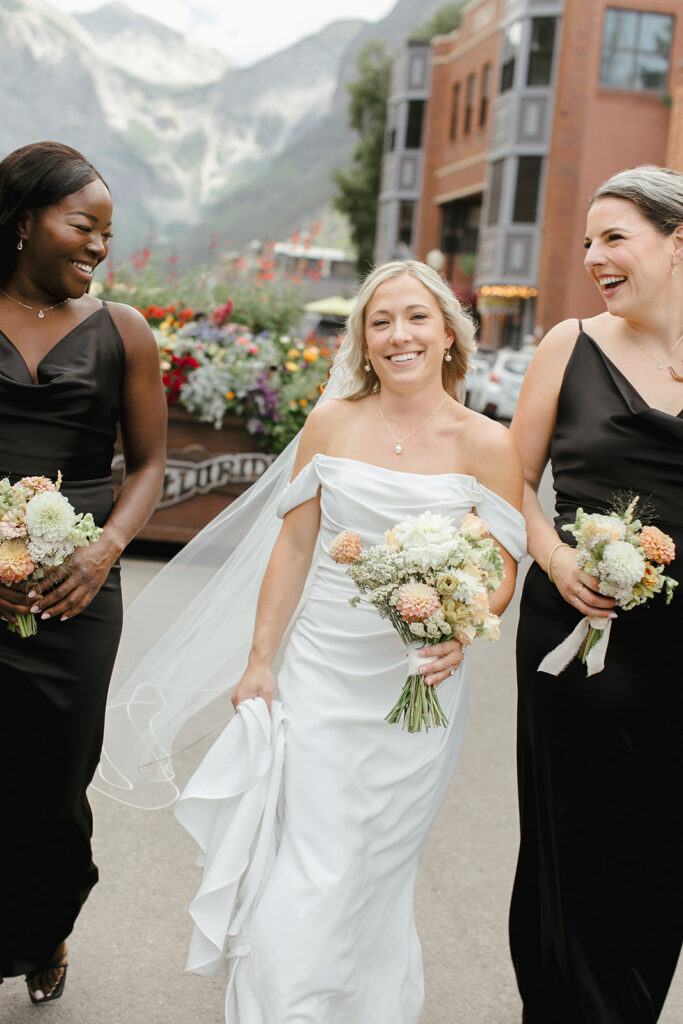
These are the top photographers in our state and these price points are typically aligned with heirloom quality coverage of a weekend full of events. On occasion, there are destination photographers from out-of-state that will work in Colorado at this price point.
Who’s here: Photographers with 10+ years of experience, destination specialists, photographers who offer coverage from a multimedia team, those with connections to Colorado’s most sought-after wedding planners, those with national press features (though watch out for this as the only measure — see details in Tier 3)
What you usually get: 8-10 hours of coverage on the wedding day in the mountains or other special destination, second and sometimes even a third photographer, welcome event coverage, an engagement session, hybrid digital and film coverage or full film coverage
Pros: Everything that is true from Tier 3 is true in Tier 4 — plus they likely have some very solid connections in the industry. They work on the best of the best vendor teams across our state, and you can have complete faith that they will execute to the highest standard on your wedding day.
Cons: Highest price point for the vast majority of weddings in Colorado. This isn’t exactly a con, but photographers at this price point likely have the privilege to choose your wedding, either because they are in such high demand, or have flexibility in their life to only be able to take on weddings at this price point. So if you are interviewing a photographer at this price point, know that they are also interviewing you.
Where you can find them: Through your venue, planner, social media, wedding blogs, through organic searches on Google or AI platforms. They often identify themselves as “luxury” or “editorial,” but sometimes do not use those descriptors. May appear in: Vogue, Over The Moon, Martha Stewart, People.
What to check for: I’ve said it once and I’ll say it again! As always, check for consistently positive reviews and ask for full galleries. No amount of press or number of Instagram followers is a guarantee of high quality service or even perfect deliverables.
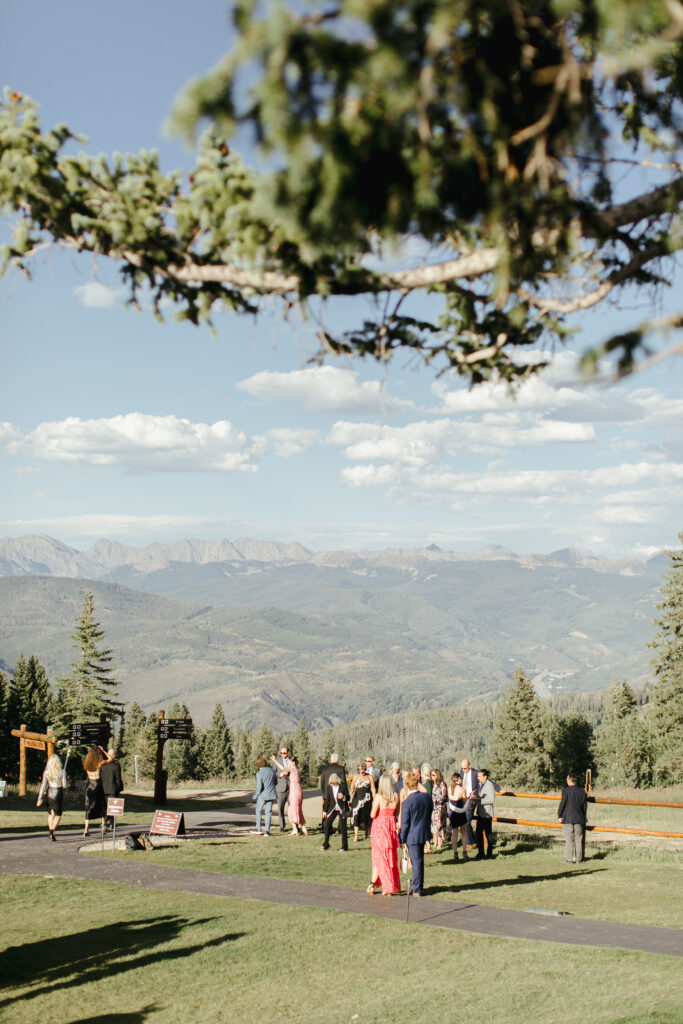
Who these photographers are right for: Couples planning destination, multi-day affairs. I have shot weddings where there was a pre-welcome event on a Thursday as guests trickled in (great for far-flung weddings such as Telluride), a rehearsal dinner followed by larger welcome event on a Friday, the wedding on Saturday, and a farewell brunch on Sunday. These are spectacularly lovely affairs and some of my absolute favorites to shoot, and if this is what you are planning, you are firmly in Tier 4 for your photography budget.
Questions Couples Ask — and Better Ways to Ask Them
Here are some questions that you may want to consider before your photography consultation calls.
Have you shot at my venue before? Hot take: it really doesn’t matter if a photographer has shot at your venue before. That is coming from someone who is a preferred vendor at several venues. If they have shot there before, yes, they will know some great nooks and vistas to take you too. But guess what else? They will likely have taken countless other couples to those same locations with the same creative direction. Nothing wrong with that, but I don’t think it is a bad thing if a photographer sees a venue from a fresh perspective. Not only that, but in my opinion a photographer should always scout a venue before shooting there if they have not been there before. So, what should you ask instead: Have you shot at my venue and if not, would you be willing to go scout the venue in advance (can be the morning of or the night before)? You may also ask if they can hop on a call to chat venue details with your planner. By the way, this also extends to your other vendors. There’s a first time for everyone to work together! However, if it seems like no one knows of a local photographer you are interviewing, that is a red flag 🚩.
Can I have the RAW files? This is a funny one because across the industry, it’s clear that it is something that clients sometimes ask, I think maybe because they don’t know what else to ask? Here’s the thing with RAW files. They are huge. They can only be easily edited with professional programs. They are also not what you are paying your photographer for. I totally understand the concern that if you don’t like the editing then they are still a valuable asset as they are relics of your wedding day, so if you are hiring a photographer whose style is inconsistent, then by all means ask for the RAW files. They will likely ask you to pay a premium for those, and if that’s important to you then that works! I always liken it to walking into a restaurant and asking for the ingredients in addition to the prepared meal. Many photographers also have contracts that bar you from sharing images that are not edited by them. What should you ask instead? What if I feel that a moment was missed or I don’t like the final edit? Your photographer should have an answer for these questions along the lines of — “I will look back through my folders and give you images I have that you would like,” and “you may request re-edits at $X rate.”
Will you be the one shooting, or will it be an associate? This is a totally legitimate question and one I would encourage you to ask. Some photographers do not book with associates, some book associates regularly for weddings. Those two types of businesses look very different. The mess you don’t want to end up in is hiring a photographer who then books another (higher ticket) wedding and sends an associate to your wedding in their stead. I’ve seen this come up repeatedly on wedding forums. This is inexcusable in my opinion, and what you can do is have a gut check conversation with your photographer about whether they plan to be there or not and they should say “without a doubt.” But what I would add to this conversation is that any photographer can and should have a clause in their contract about what happens if they are truly involved in an emergency and cannot be present on your wedding day. In that case, most photographers offer some form of a refund to get out of the contract, or offer to send an associate at a discounted rate, or offer the option to approve/deny whoever they are sending in their place.
There are a lot more questions you can ask in your consultation, but each of these could be full posts in and of themselves, so I will be covering much more in forthcoming future posts.
If you’ve made it this far, you’re clearly someone who cares about getting this right — and that’s exactly the kind of couple I love working with.
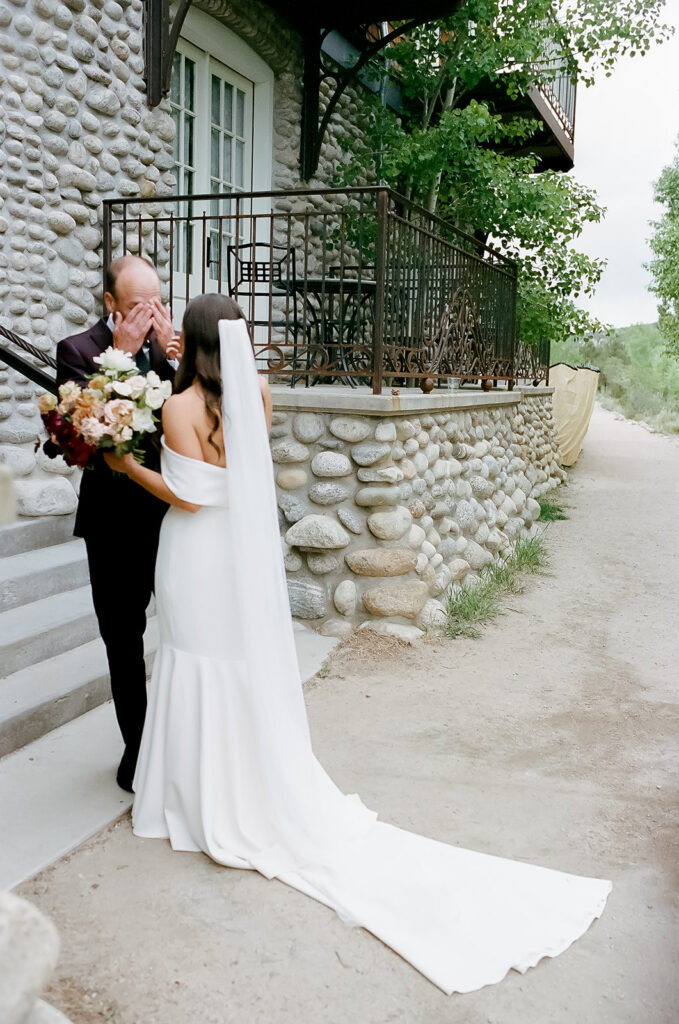
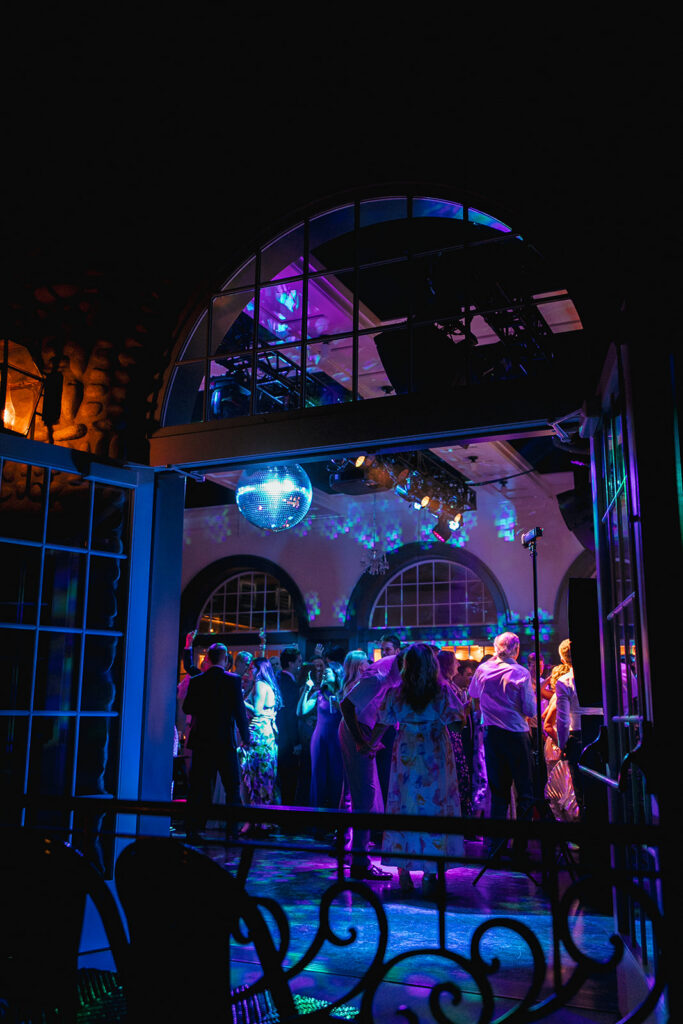
I shoot hybrid digital and film (35mm and 120mm) and work primarily in Colorado and California, with select destination weddings. My collections start at $6,500 and are built around your day, not a cookie-cutter package.
If you’d like to talk through what your wedding might look like and whether we’re a good fit for each other, I’d love to hear from you.